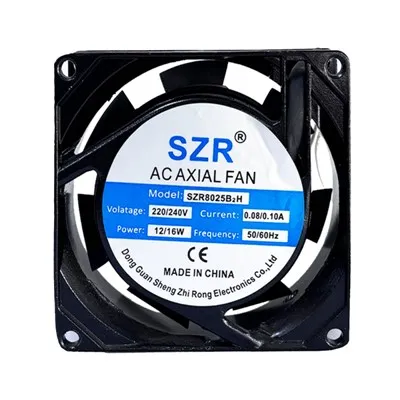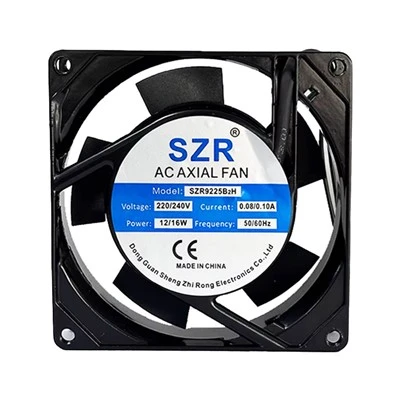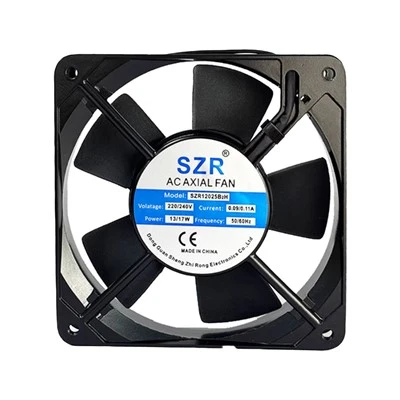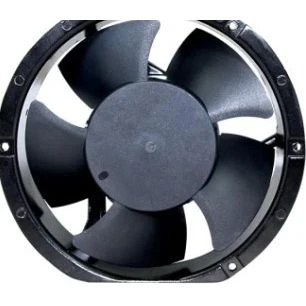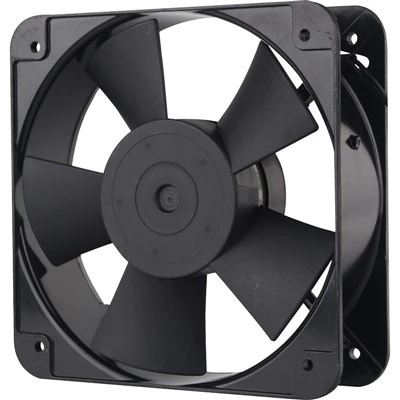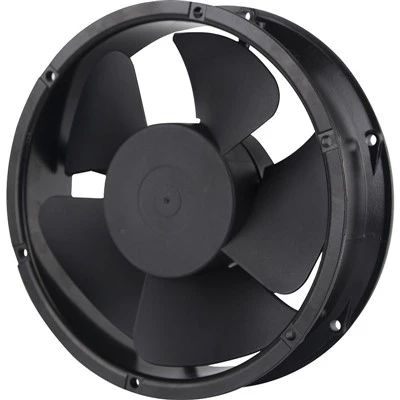
High Efficiency and Energy Saving: Modern blowers utilize advanced aerodynamic design and high-efficiency motors, enabling them to provide large air volume or pressure with lower energy consumption, effectively reducing operating costs. For example, some high-efficiency centrifugal blowers improve gas compression efficiency through optimized impeller shape and flow channel design, achieving energy savings of over 20% compared to traditional blowers.
Wide Air Volume Adjustment Range: Blowers are typically equipped with variable frequency speed control devices, allowing for flexible adjustment of air volume according to actual needs, meeting ventilation or material conveying requirements under different operating conditions. This flexibility makes blowers perform exceptionally well in applications requiring precise gas flow control, such as reactor ventilation in chemical production and aeration in wastewater treatment.
Compact Structure and Small Footprint: Blowers feature a compact design and relatively small size, saving valuable factory space. This is particularly important in space-constrained industrial settings, such as underground mines and tunnel construction, where the miniaturized design of blowers facilitates installation and layout.
Stable operation and low noise: Advanced manufacturing processes and precision machining techniques result in blowers with minimal vibration and low noise during operation, providing operators with a relatively comfortable working environment. Simultaneously, the low-noise design meets environmental protection requirements, reducing noise pollution to the surrounding environment.
Easy maintenance and long service life: The blower adopts a modular design, making key components such as bearings and seals easy to replace and maintain, reducing maintenance costs and downtime. Furthermore, high-quality materials and advanced manufacturing processes ensure the blower's service life, typically reaching decades.