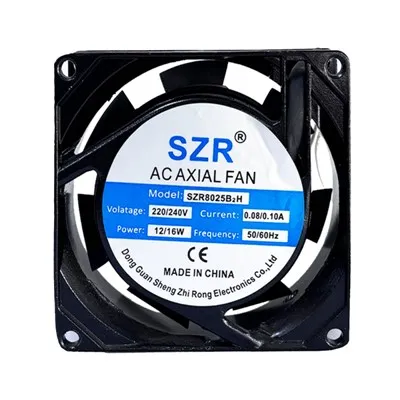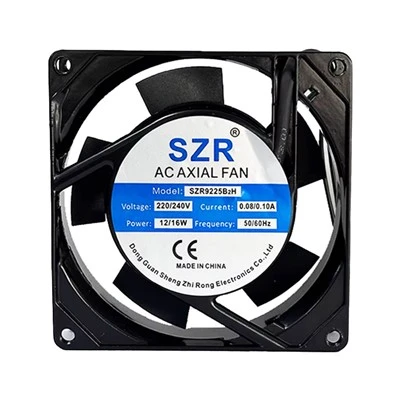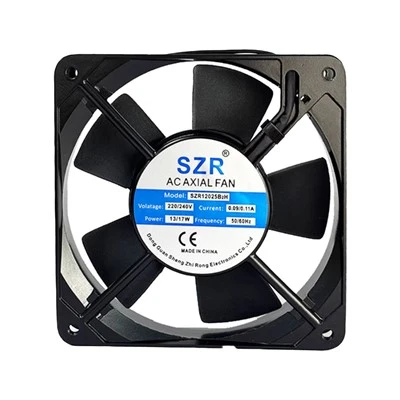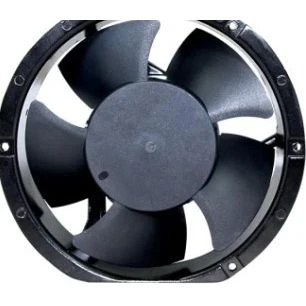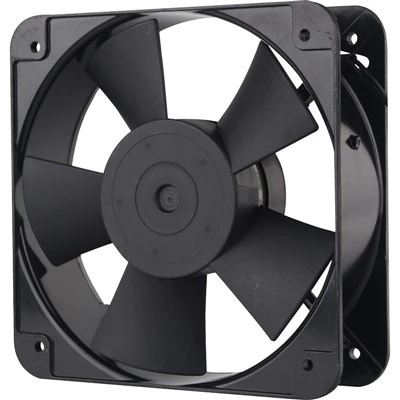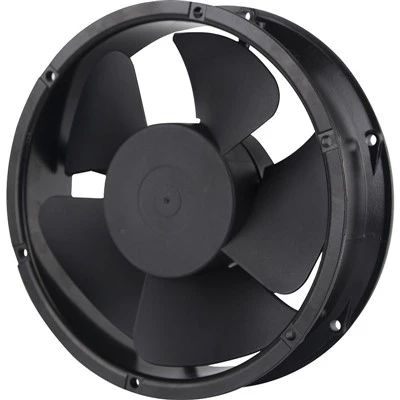
Blowers can rotate in both forward and reverse directions, depending on the specific application and requirements.
The Difference Between Forward and Reverse Rotation and Their Application Scenarios
A blower is a commonly used fan device used for ventilation, air supply, exhaust, and waste recovery. Forward and reverse rotation are two common operating modes.
Forward rotation means the blower motor rotates in the direction of ventilation, and the blower impeller rotates in the same direction, resulting in airflow that is parallel to or in the same direction as the rotation. Forward rotation is typically used for air supply and ventilation applications.
Reverse rotation means the blower motor rotates in the opposite direction, and the blower impeller rotates in the opposite direction, resulting in airflow that is opposite to the rotation. Reverse rotation is mainly used for dust extraction and recovery. For example, on a factory production line, cutting or processing materials such as metal or wood generates a large amount of waste gas and waste material, requiring a blower to reverse rotation to absorb and discharge this waste gas and waste material.
Blower Control Methods
The forward and reverse rotation of a blower can be changed by altering the motor phase sequence, or by adjusting the motor's wiring and angle. In practical applications, there are various methods for controlling the forward and reverse rotation of a blower. Common control methods include:
Mechanical control: This involves manually switching a mechanical switch to control the blower's forward and reverse rotation.
Electronic control: This involves using electronic devices such as a control panel or remote control to control the blower's forward and reverse rotation.
Automatic control: This involves automatically adjusting and switching the blower's forward and reverse rotation through automated settings and program control.
III. Safety Operation Recommendations
When using a blower, the forward or reverse rotation should be selected according to the specific working scenario and requirements. The following safety operation recommendations should also be observed:
During the use of the blower, the equipment should be regularly maintained and kept dry and clean.
Safety equipment should be installed when operating the blower to avoid accidental injury.
When switching the blower's forward and reverse rotation, the motor should be stopped first, and the operation should only proceed after a period of time to ensure safety. When using automatic control methods, inspections and monitoring should be strengthened to avoid malfunctions and safety hazards.