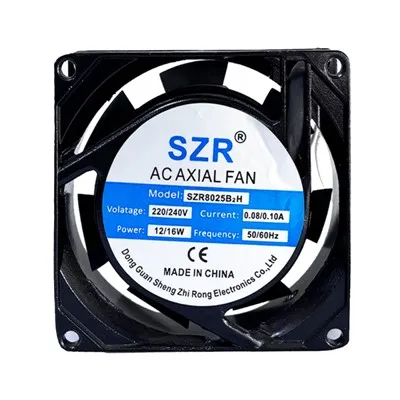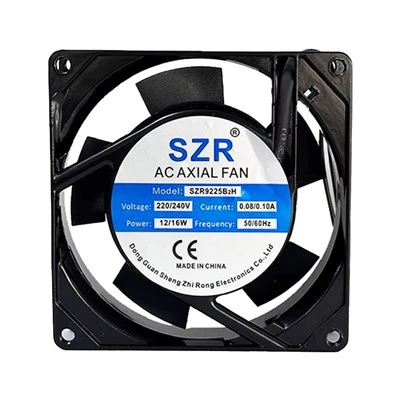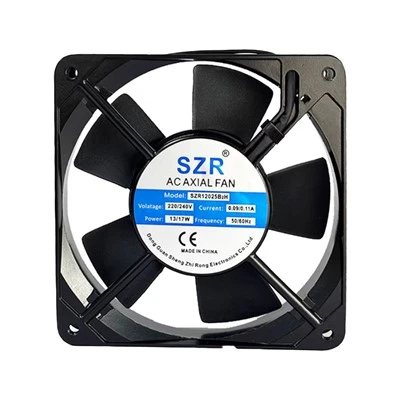
In electronics cooling, a fan does not need complicated features to be effective. It needs to deliver suitable airflow, fit the available space, and operate reliably under the conditions of its application.
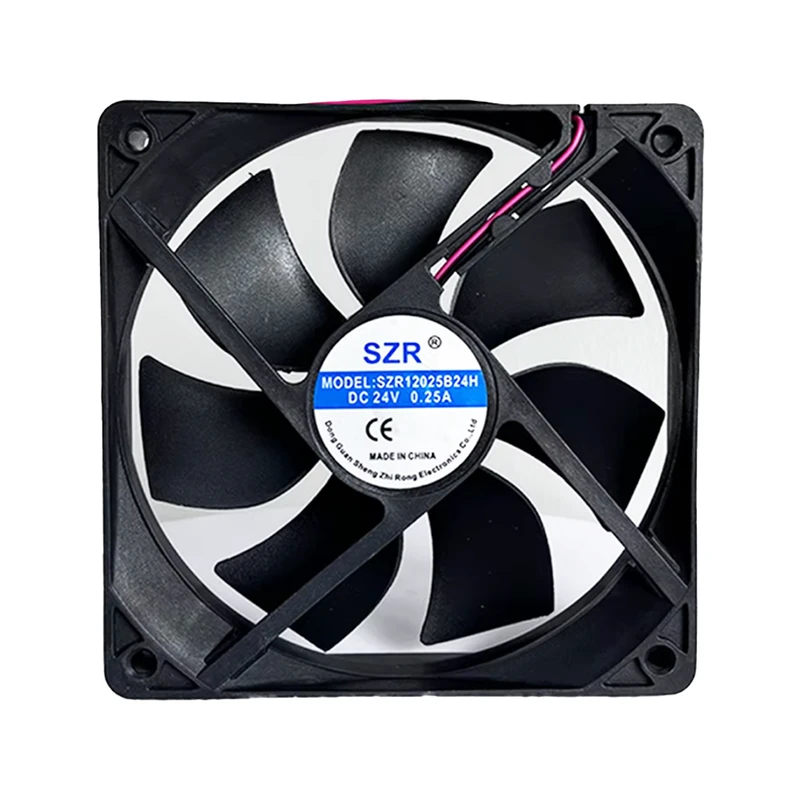
The 120 × 120 × 25mm DC axial fan is a widely used format in computer cooling and other electronic equipment. Its standardized dimensions make mechanical integration relatively straightforward, while its axial airflow design moves air directly through the fan, making it suitable for ventilation and component cooling.
For many applications, a 12V DC fan offers a convenient power option. However, selecting the right model requires more than checking its voltage and dimensions. Airflow, static pressure, rotational speed, power consumption, and noise level should all be considered. A fan with a higher rated airflow may not deliver the same performance when installed behind restrictive grilles, filters, or densely packed components.
Noise is another important consideration, particularly in office equipment and other noise-sensitive environments. Choosing an appropriate speed grade and providing an unobstructed airflow path can help balance cooling performance and acoustic comfort.
For equipment manufacturers and system integrators, consistency, mounting compatibility, and suitability for the operating environment are also essential purchasing factors. The best choice depends on the actual thermal load and the complete system design, rather than a single headline specification.
At SZR, we believe effective cooling starts with understanding the application. By matching fan dimensions and performance characteristics to real operating requirements, engineers can develop practical cooling solutions without unnecessary complexity.